Backstage
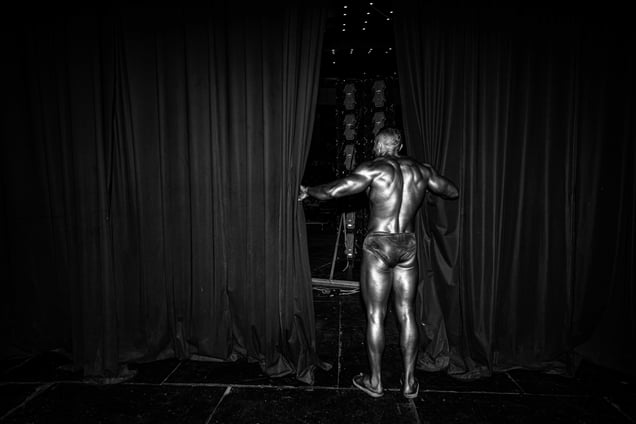
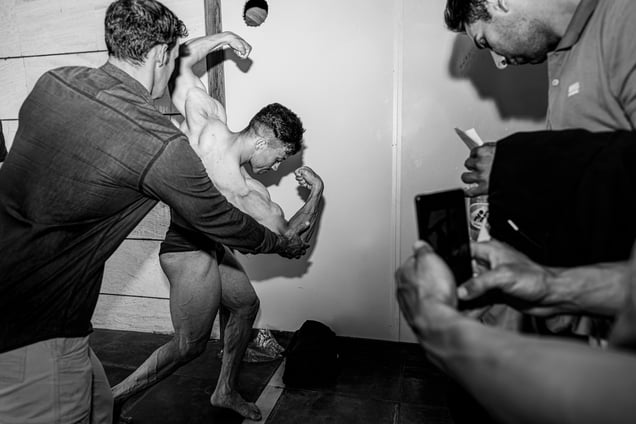
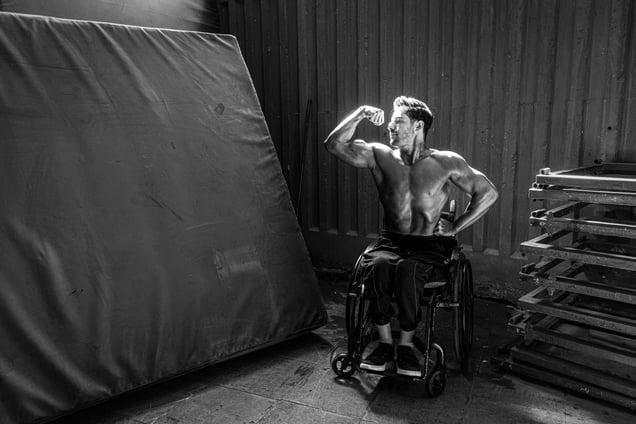
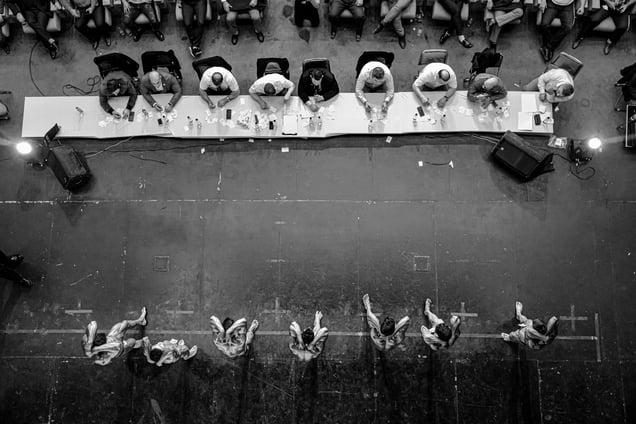
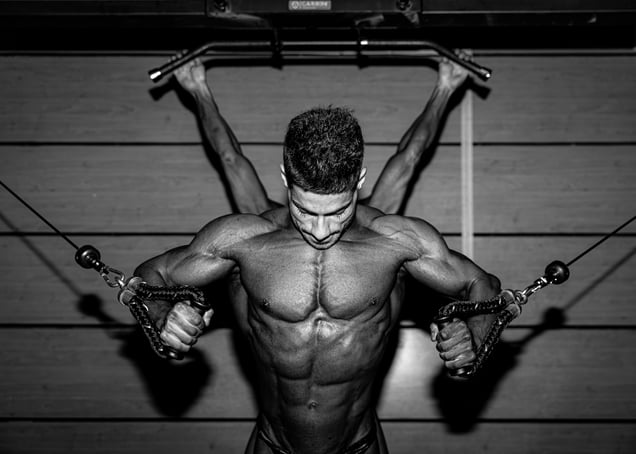
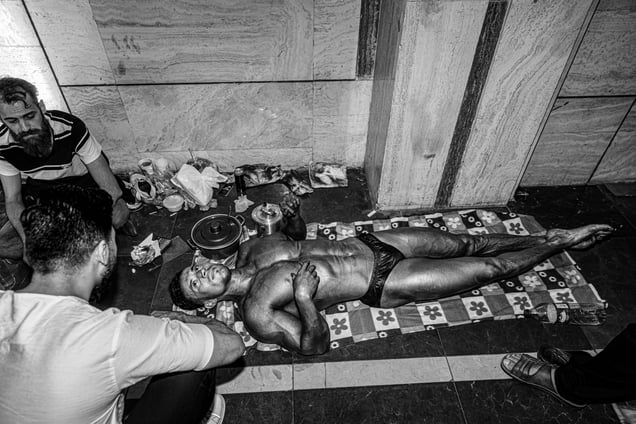
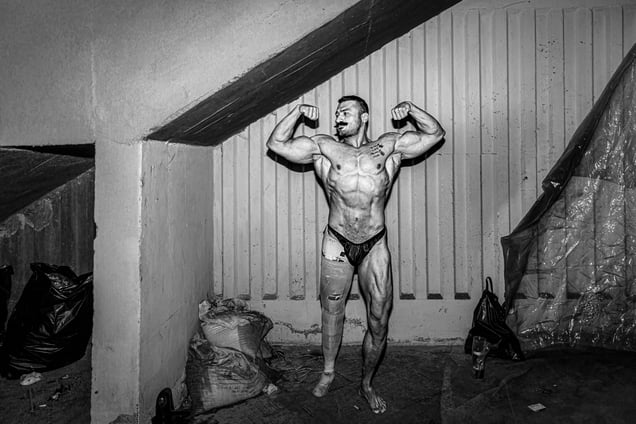
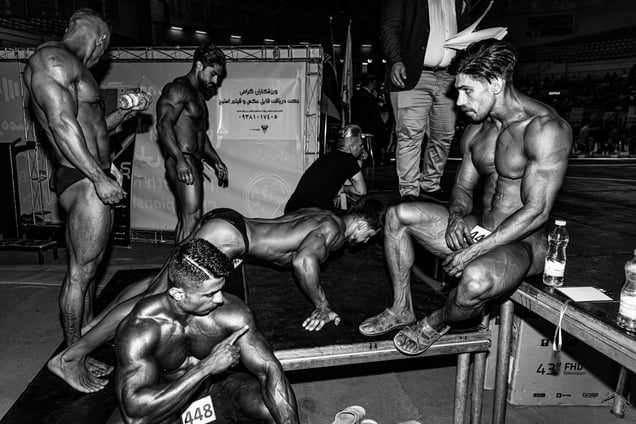
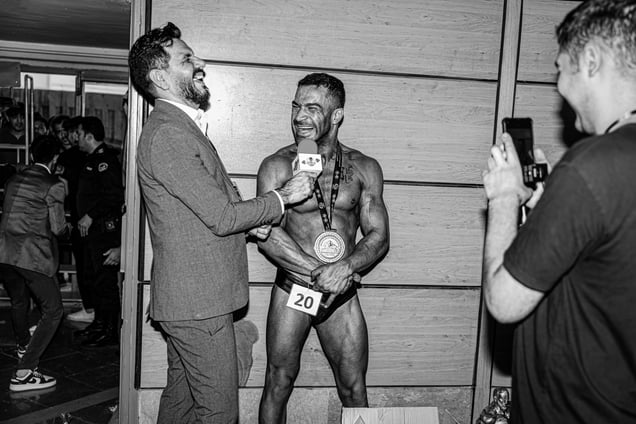
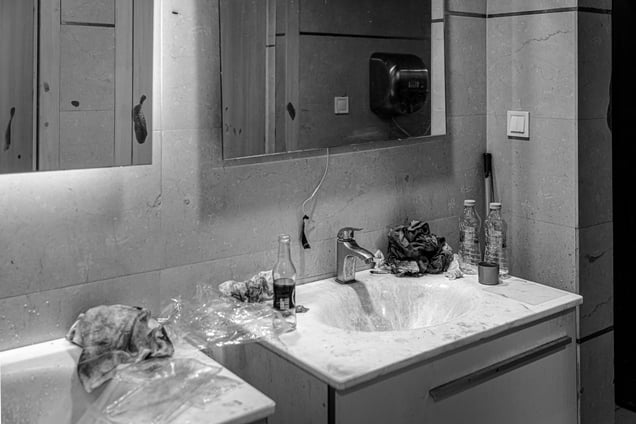
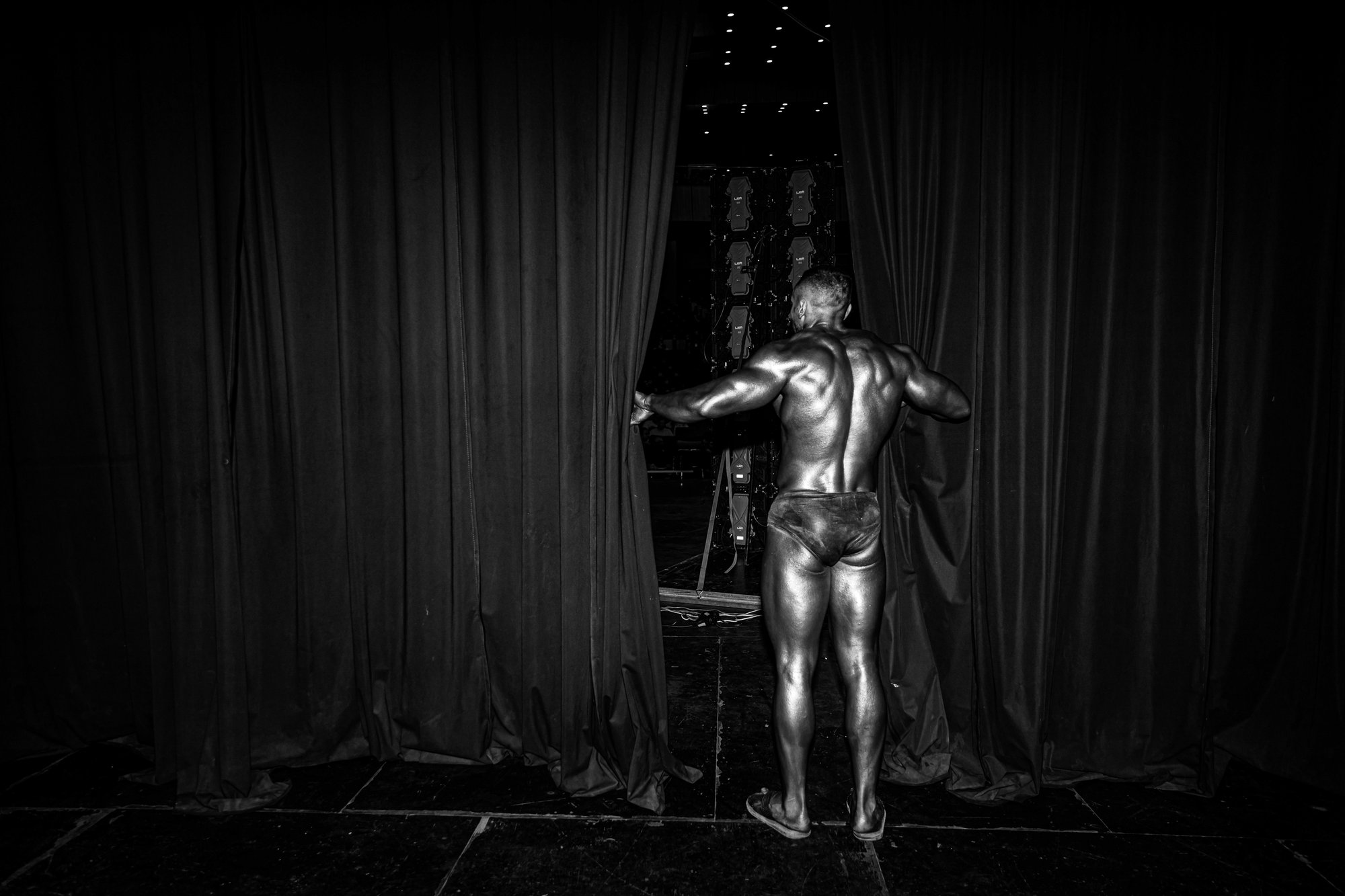
Bodybuilding is no longer just a sport; it has become an industry that turns the body into a commodity for competition, performance and income. According to official statistics, more than 20,000 bodybuilding clubs are active in Iran, and millions of young people train in these spaces every day. This boom, along with the spread of body-centered culture and the influence of social media, has made the body a symbol of success, attractiveness, and social capital. But this sport, along with its outward appeal, also comes with serious challenges. Sports supplements, special diets, private trainers and training equipment has turned bodybuilding into one of the most expensive ‘luxury’ sports. According to research, more than 70% of club athletes in Iran use supplements; some of them without medical supervision. Some of these supplements, especially hormonal drugs such as steroids, can cause serious damage to the liver, kidneys, heart, and hormonal system. In official competitions, bodybuilders must pose in front of judges and spectators to have their muscles assessed for volume, symmetry and definition. But what is seen on stage is only part of the reality. Behind the scenes, bodies are on the verge of collapse; dried up from dehydration, contracted from anxiety and painted to be seen.
No categories selected
Photos (10)