
M'Kumba
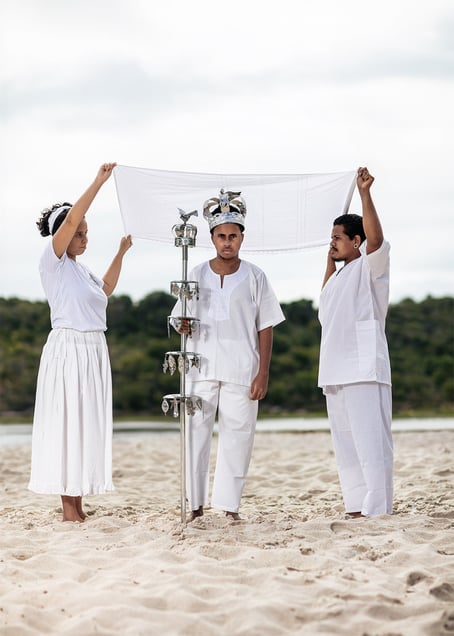
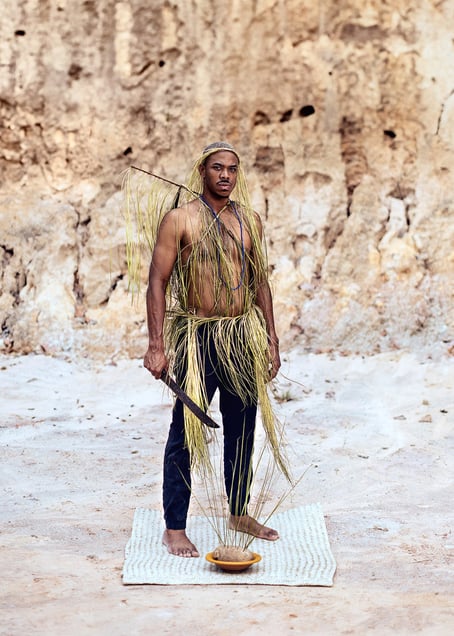
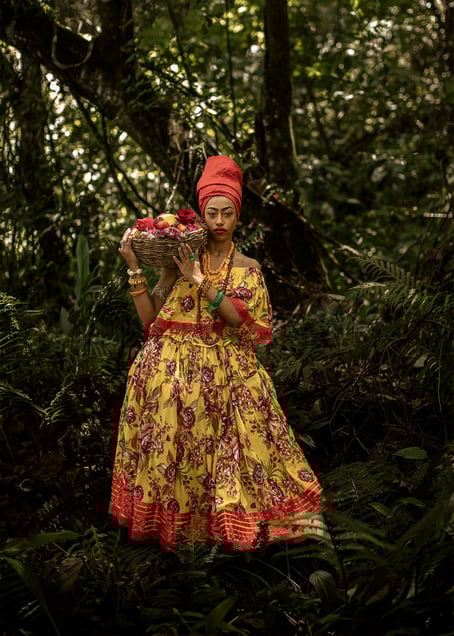
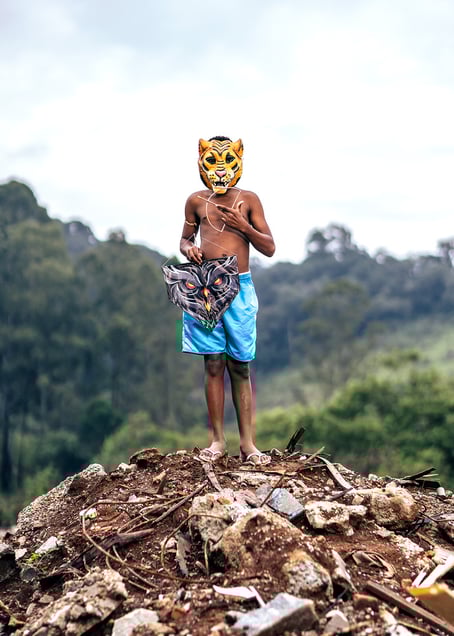
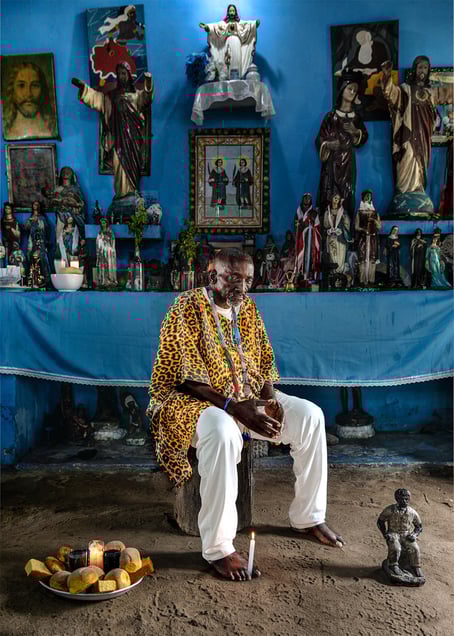
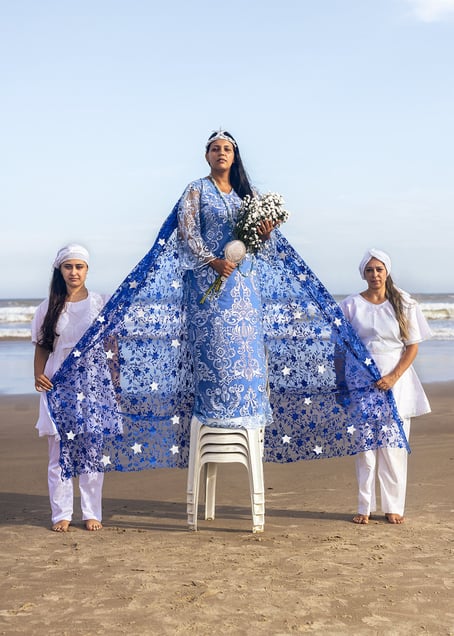
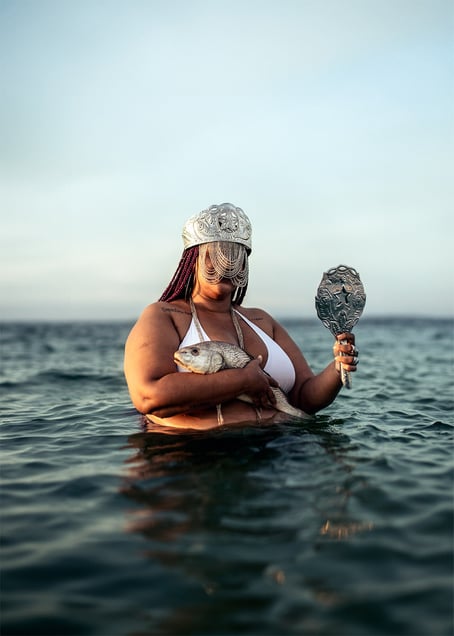
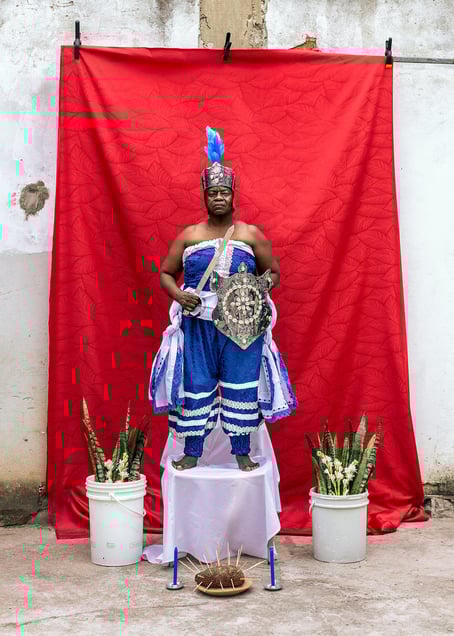
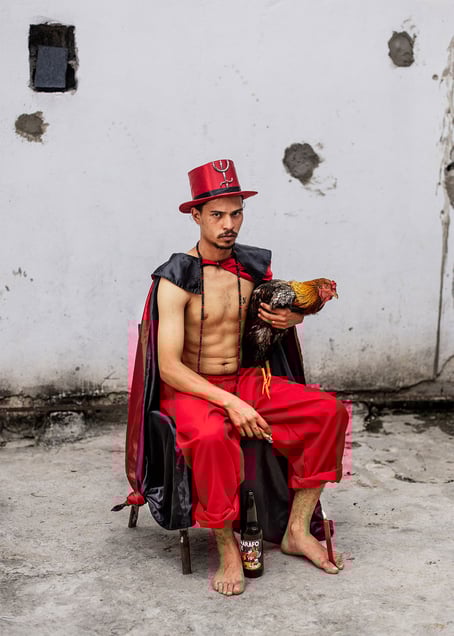
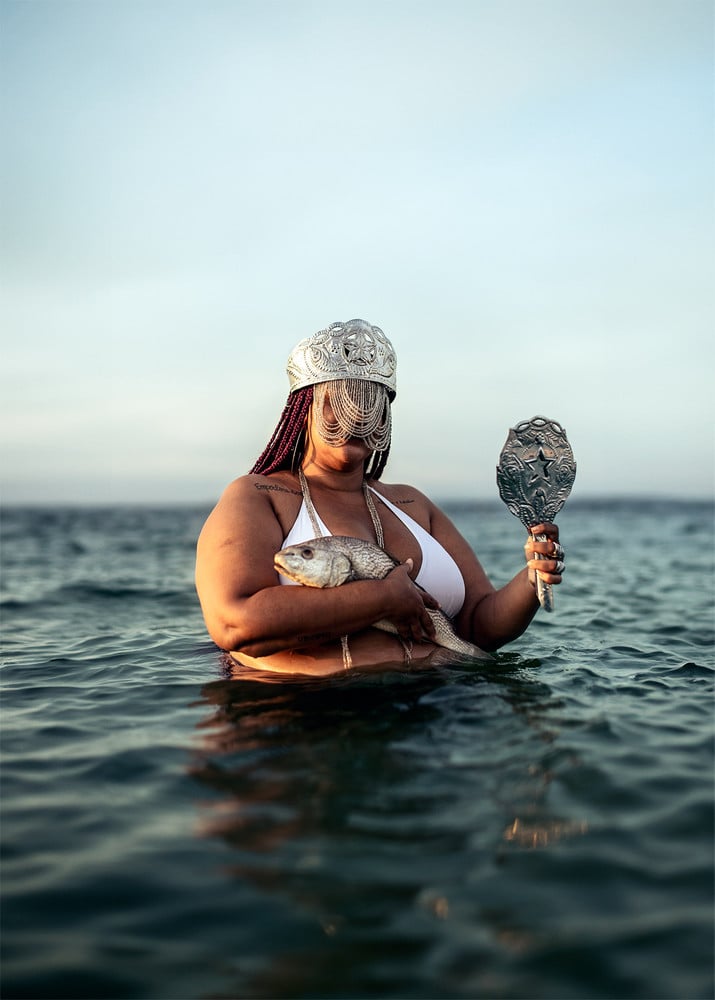
M'kumba is an ongoing project that highlights how Afro-religious communities stand against the big religious intolerance in Brazil. Its name comes from an ancient Kongo word once used to describe sorcerers and wise people, but over time, it became a derogatory term used to refer to African religions in the country. Between the 16th and 19th centuries, nearly 5 million Yoruba, Bantu, and Ewe peoples were forcibly brought to Brazil as slaves. During this period, colonial ideologies not only justified the exploitation of their bodies but also demonized their beliefs, branding them as evil forces to be eradicated. This led to the prohibition of Afro-Brazilian religions until the 1970s. Even after these religions legalization, religious intolerance persists. Extremist groups have increasingly attacked Afro-Brazilian communities, temples, and practices. In 2024 alone, more than 2,000 religious hate crimes were reported in Brazil. Due to the centenial prejudice, despite 56% of the population identifying as Afro-descendant, fewer than 2% openly declare themselves as practitioners due to fear of violence or discrimination. As a photographer and Afro-religious priest in training, I’ve been collaborating with various Afro-Brazilian communities to document ours cosmovisions. Through staging rituals, and representations of deities, this project aims to combat prejudice, present our mythologies and restore the true meaning of the sacred word M'kumba in today's context.
No categories selected
Photos (9)