Escuela
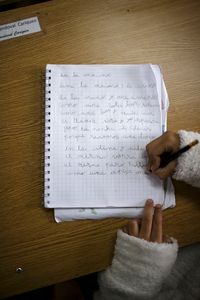
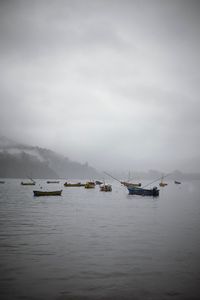
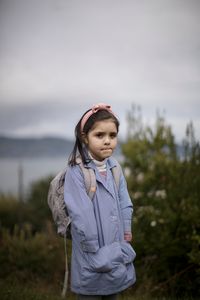
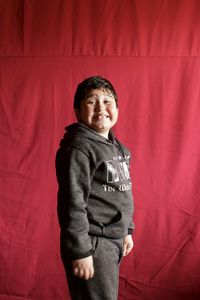
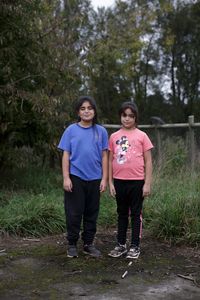
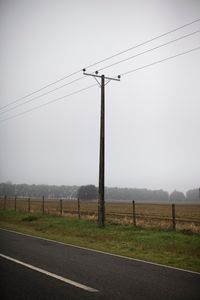
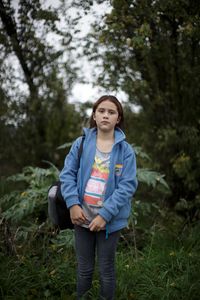
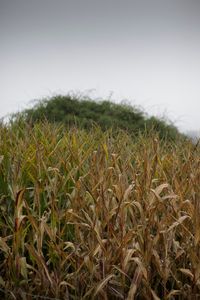
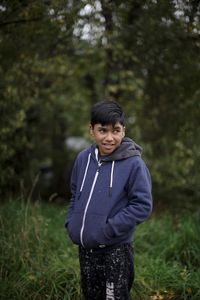
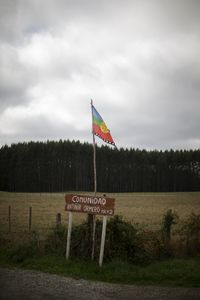
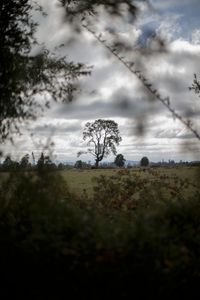
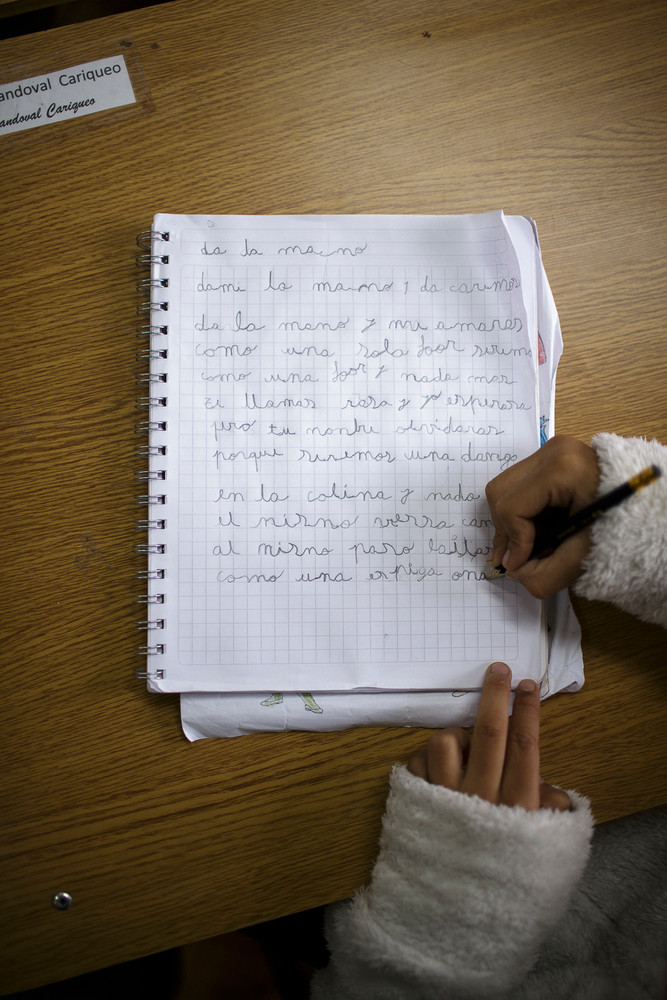
At the beginning of the 20th century, barely one in three Chilean children attended school. Although the primary education system had been experiencing vigorous development in the main cities of the country, an alarming reality persisted in the countryside: rural education practically did not exist and illiteracy reached 71% of the population. But the problem of rural education was not limited to the lack of schools: towards the end of the 1920s voices began to be heard calling for the implementation of a national policy aimed at developing a "truly rural" school, whose programs and methods were relevant to their sociocultural context. The demand for a contextualized peasant education persisted during the period of radical governments, which responded with three major initiatives. The first of these actions was the development of a syllabary adapted to the reality of students in rural areas. Second, a new normal education law was passed. Lastly, an educational experimentation plan in rural areas, known as the “San Carlos Plan”, was designed and put into practice – albeit in an interrupted manner. The next administration that dealt with the matter was that of Eduardo Frei Montalva (1964-1970), whose educational reform –focused on increasing school coverage– included rural areas. However, the expansion of primary school in the fields was carried out by silencing the demands for special rural education. So much so, that the distinction between rural and urban normal schools ended up disappearing. Camila Perez N. https://www.museodelaeducacion.gob.cl/colecciones/la-educacion-primaria-rural-en-chile-1920-1970 Today there are still around 3,200 establishments in Chile that provide education to children in places as remote as the pampas of Tierra del Fuego to the Visviri plateau in the extreme North... But this reality is changing, fewer and fewer schools of this type remain, connectivity, the transfer of administration from the state to small local municipalities and the cost of maintaining these makes it more convenient for economic reasons. that the students emigrate to study in establishments of larger cities, producing an uprooting with their territory and changing the innocence of rural life for a more complex school context that increases day by day in the most important cities. In this work, still in progress, I seek to rescue the reality of these schools and highlight the importance of the role they play within society and education in Chile, to create awareness and allow them to continue existing and improving their work.
No categories selected
Photos (19)