From ‘Apple’ to ‘Anomaly’
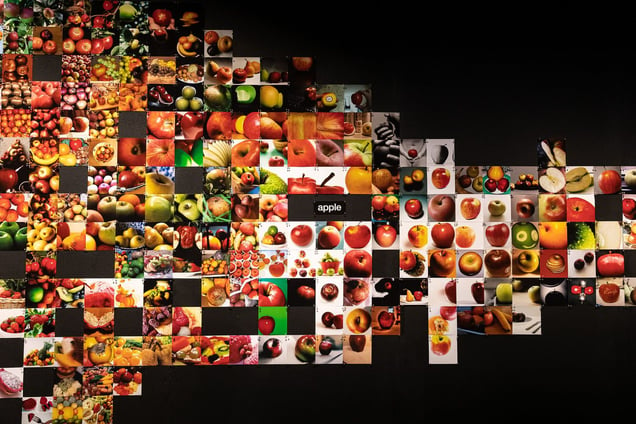
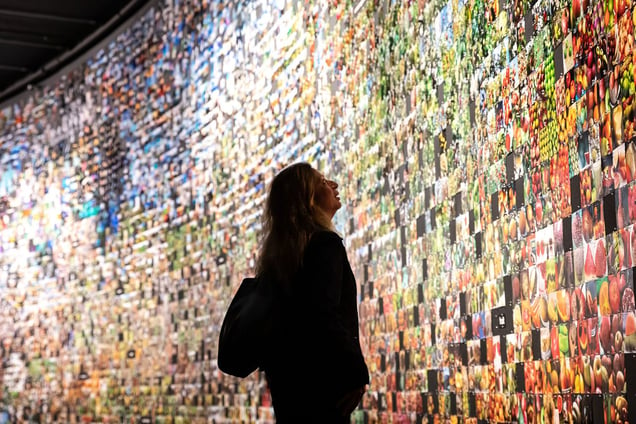
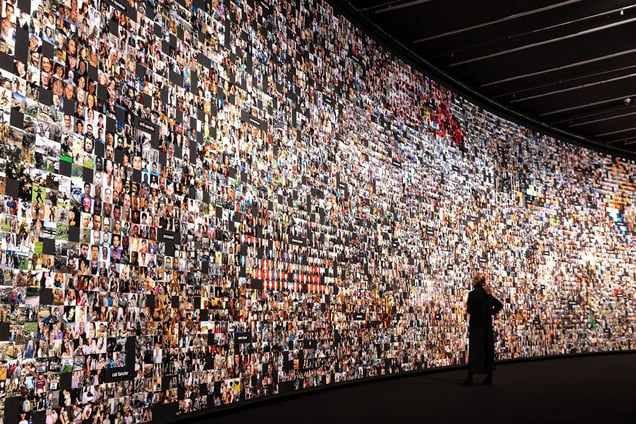
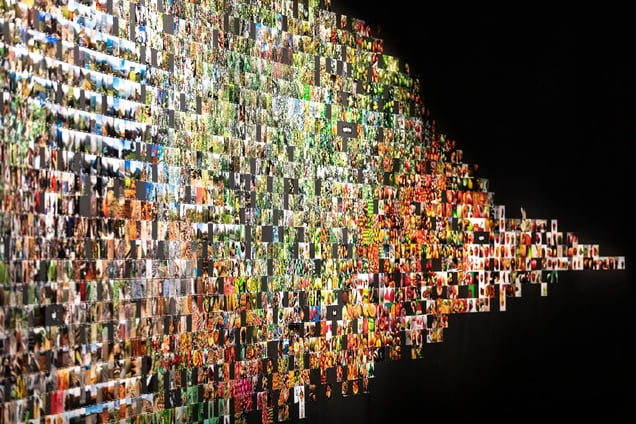
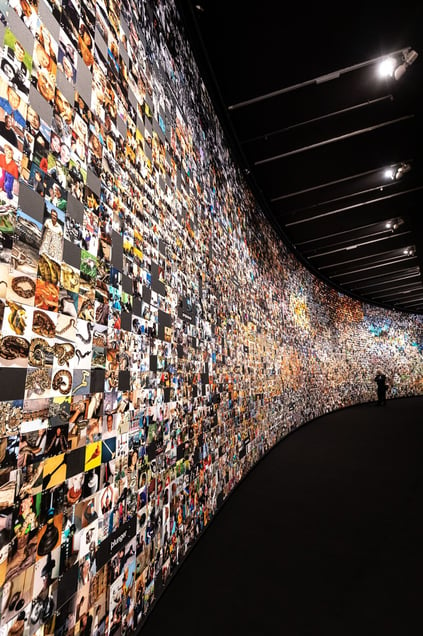
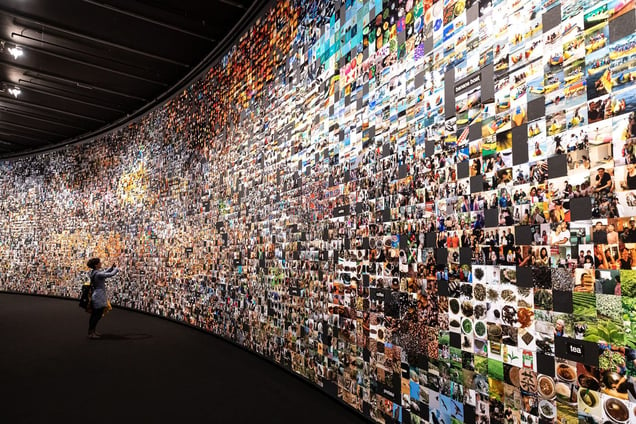
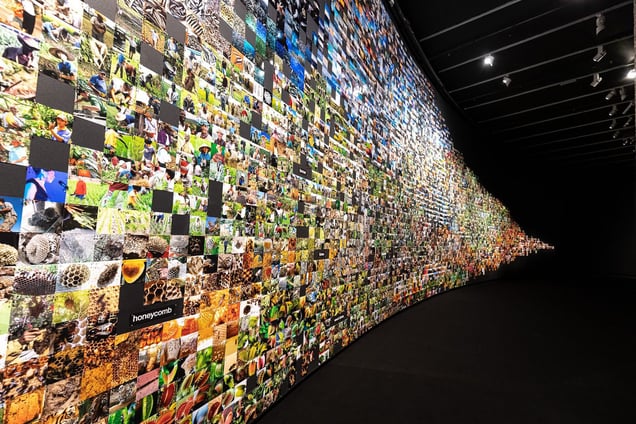
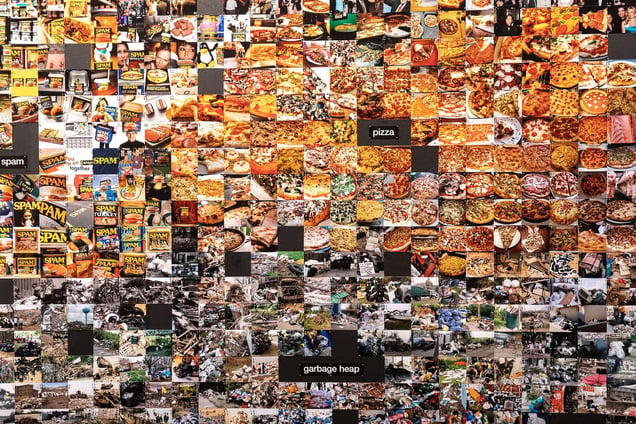
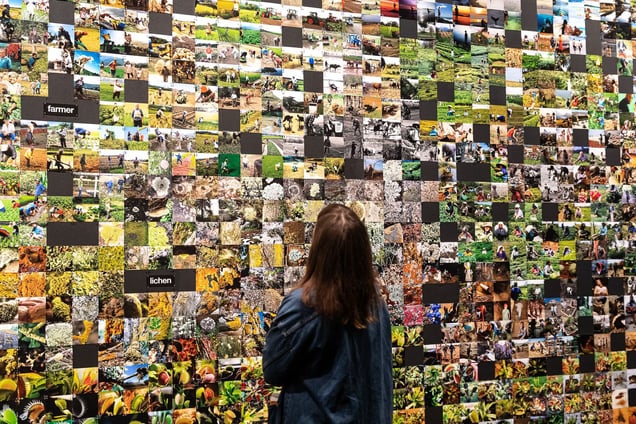
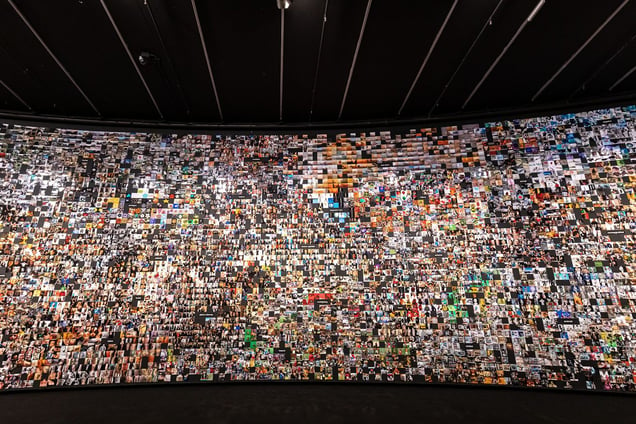
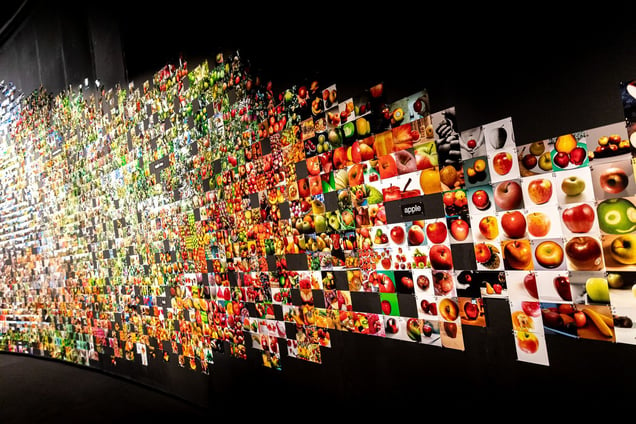
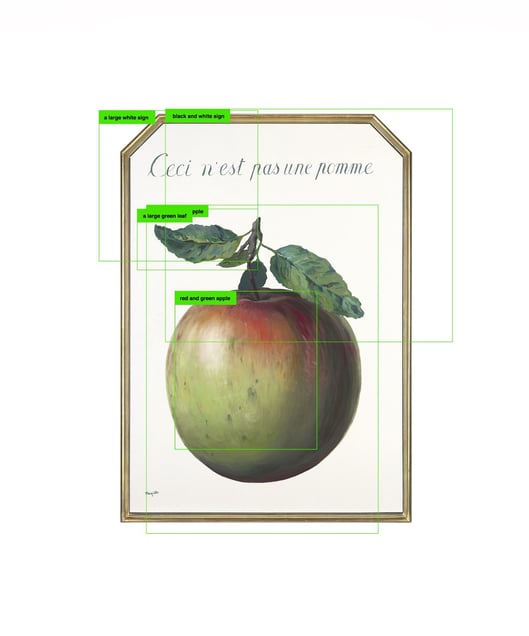
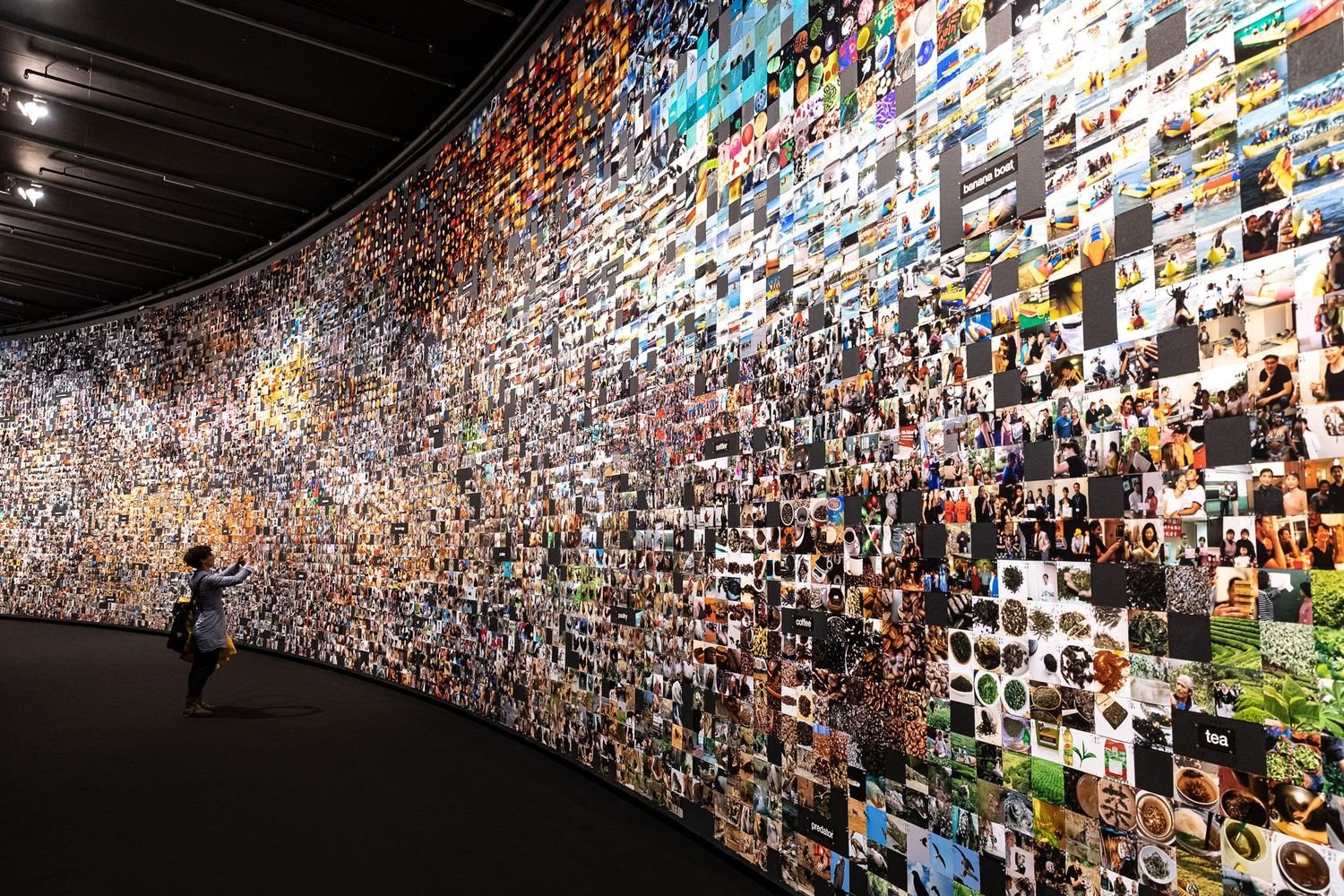
Barbican Art Gallery has commissioned the artist Trevor Paglen to create a new work for The Curve. Paglen’s practice spans image-making, sculpture, investigative journalism, writing and engineering. Among his primary concerns are learning to see the historical moment we live in, exposing the invisible power structures that underpin the reality of our daily lives and developing the means to imagine alternative futures. The exhibition is part of the Barbican’s 2019 season, Life Rewired, which explores what it means to be human when technology is changing everything. For the exhibition, Paglen takes as his starting point the way in which Artificial Intelligence networks are taught how to ‘see’, ‘hear’ and ‘perceive’ the world by engineers who feed them vast training sets. Standard training sets consist of images, video and sound libraries that depict objects, faces, facial expressions, gestures, actions, speech commands, eye movements and more. Paglen highlights how the advent of autonomous computer vision and AI has developed alongside this new kind of media, not designed for humans, but for machines, which are rife with hidden politics, biases, stereotypes and epistemological assumptions. Trevor Paglen said: 'Machine-seeing-for-machines is a ubiquitous phenomenon, encompassing everything from facial-recognition systems conducting automated biometric surveillance at airports to department stores intercepting customers’ mobile phone pings to create intricate maps of movements through the aisles. But all this seeing, all of these images, are essentially invisible to human eyes. These images aren’t meant for us; they’re meant to do things in the world; human eyes aren’t in the loop.' For The Curve, Paglen has installed approximately 30,000 individually printed photographs pinned in a complex mosaic of images along the length of the curved wall. Taking as a starting point ImageNet: one of the most widely shared, publicly available collection of images, which is also used to train artificial intelligence networks, Paglen queries the content of images chosen for machine learning. ImageNet contains more than fourteen-million images organised into more than 21,000 categories or 'classes'. In most cases, the connotations of image categories and names are uncontroversial i.e. a 'strawberry' or 'orange'. Others are classified under 'debtors', 'alcoholics' and 'bad persons'. These definitions, if used in AI, suggest a world in which machines will be able to elicit different forms of judgement against humankind.
No categories selected
Photos (12)