The Oak from Schlossplatz Berlin
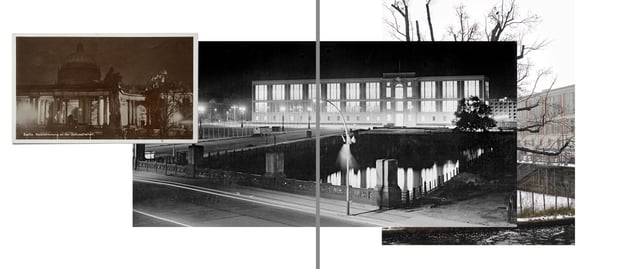
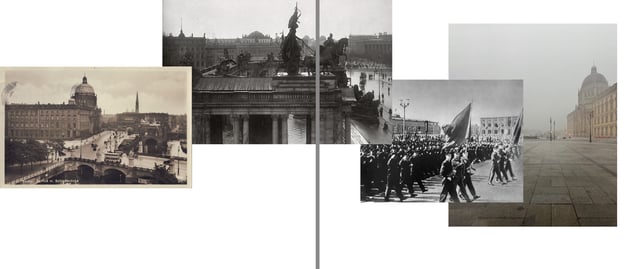
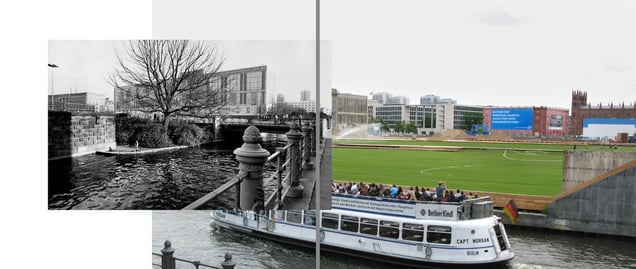
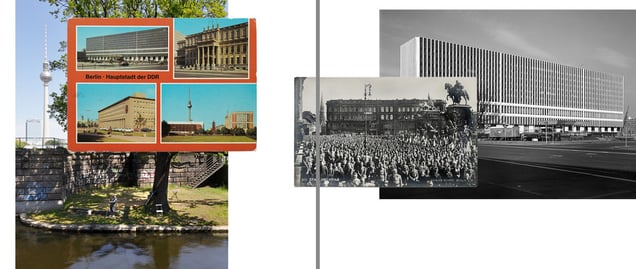
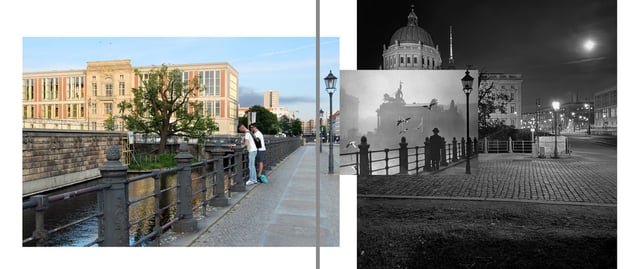
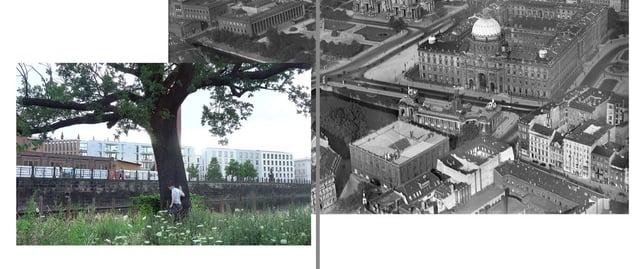
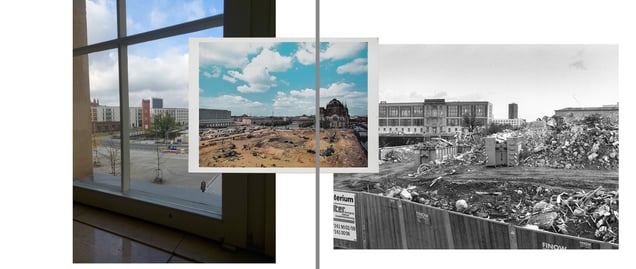
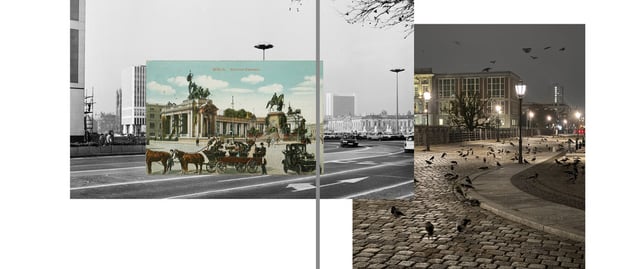
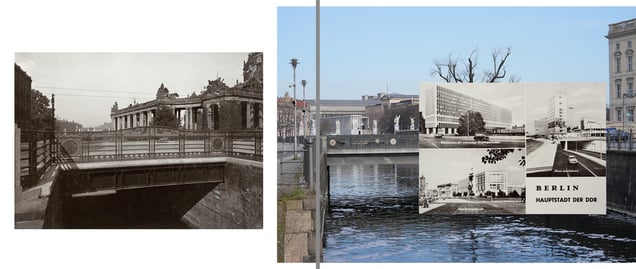
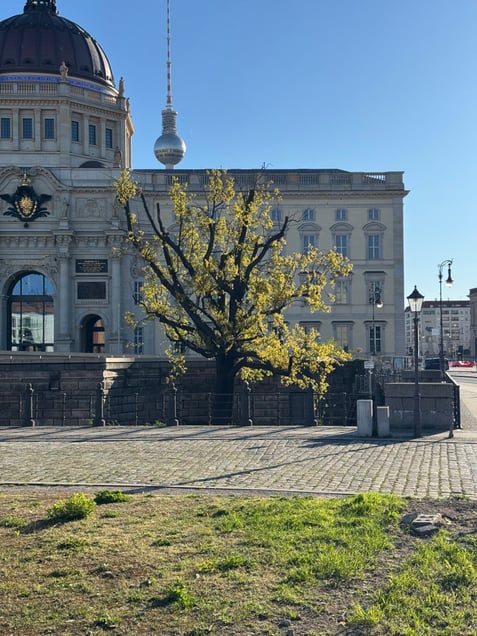
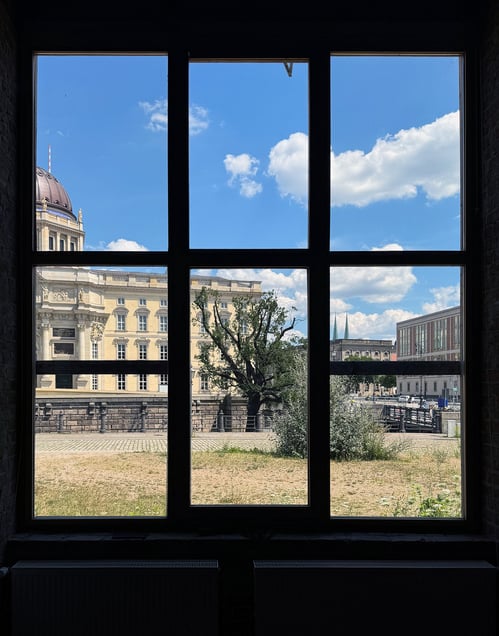
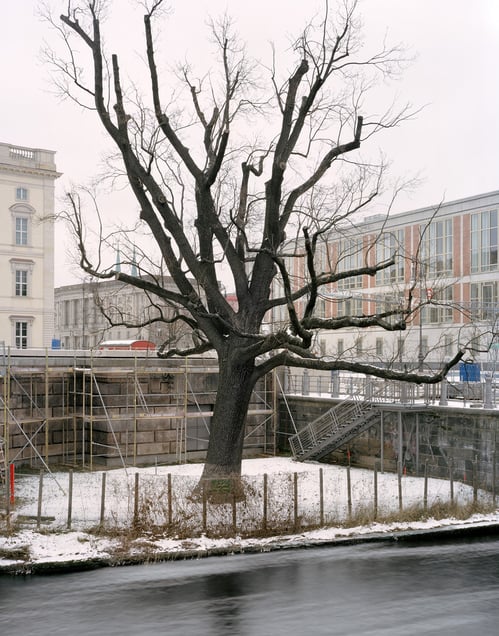
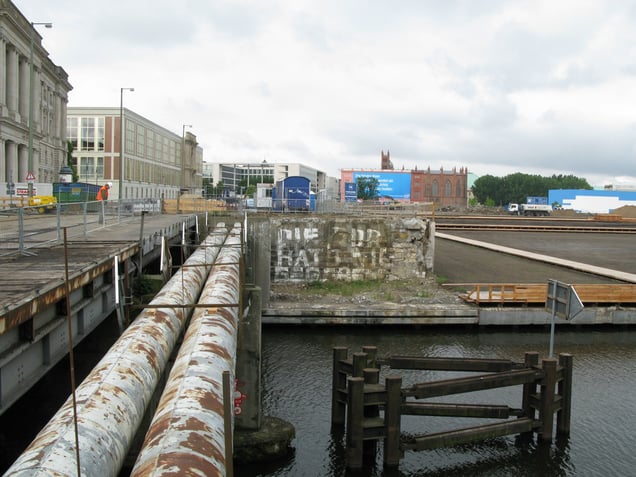
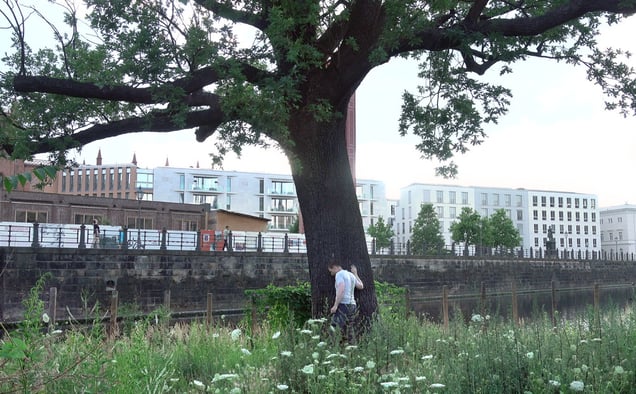
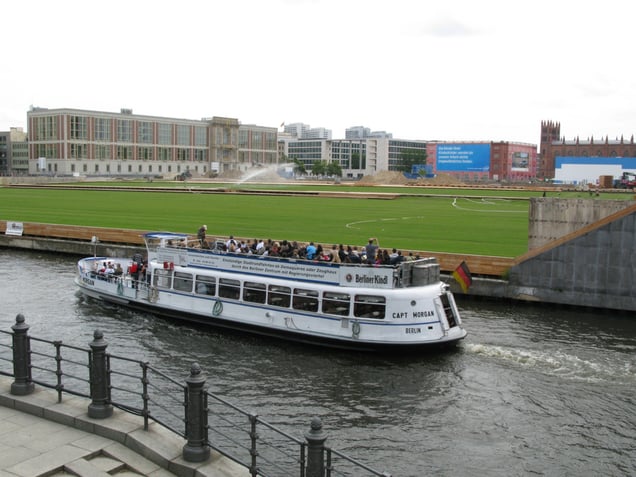
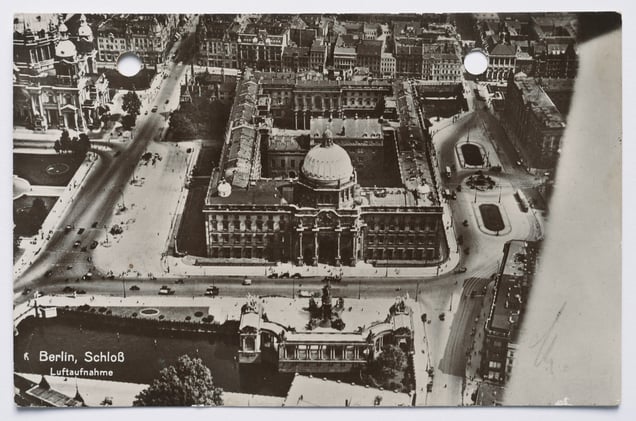
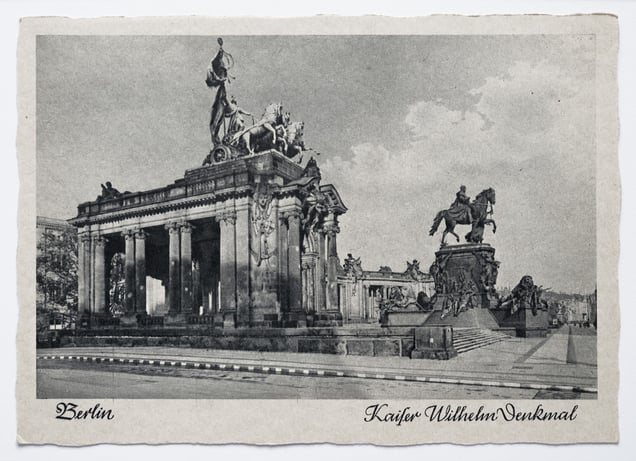
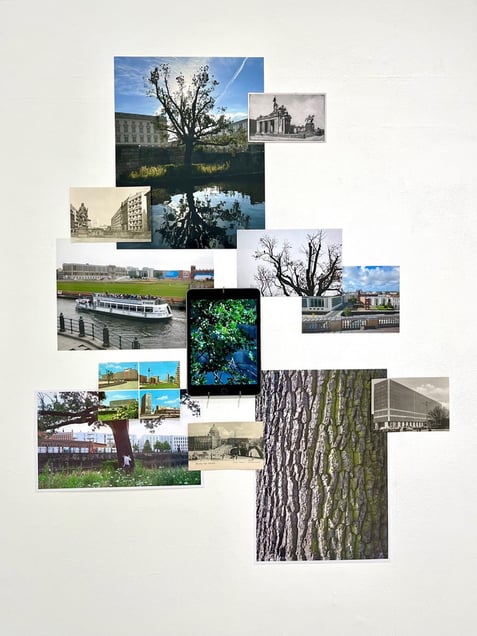
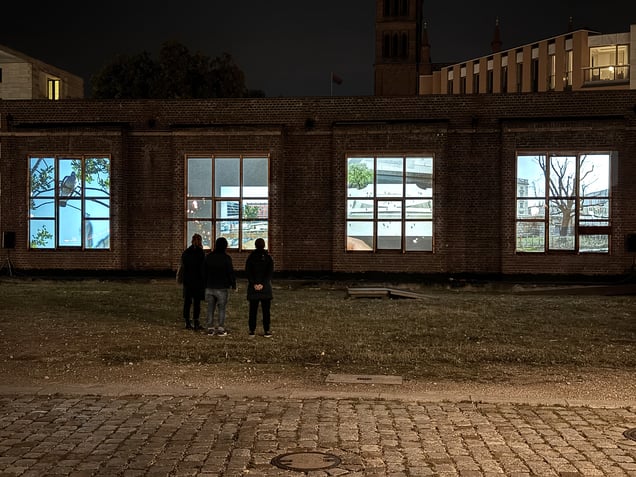
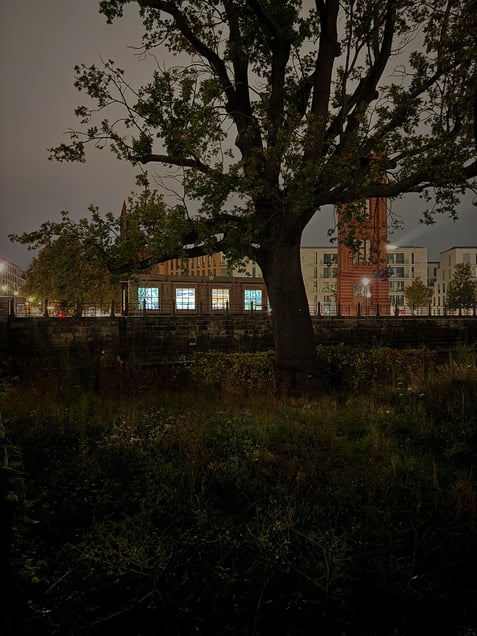
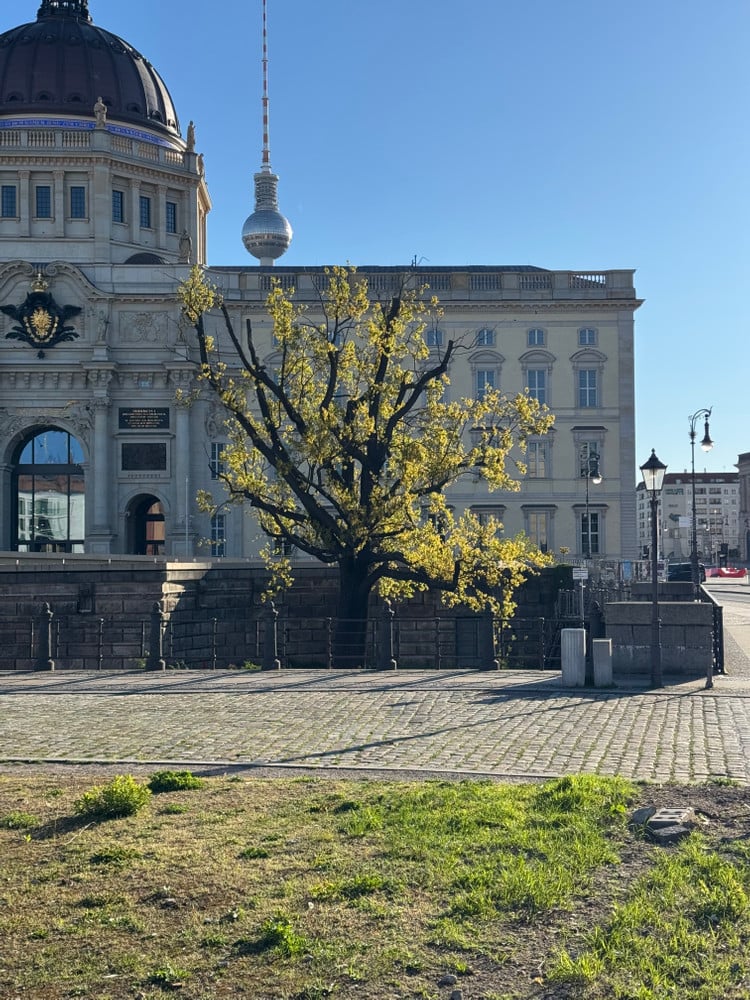
A lot has been said about the oak tree. Imperial oak, lonely, German, resistant. The tree itself remains silent. After the opening of the National Kaiser Wilhelm Monument in 1897 the oak was planted. After 130 years of turbulent history, the tree still stands there. Using the oak tree as a central figure, the history of this concentrated urban space and the political perspectives of photography are told. The Kaiser Wilhelm National Monument, complete with a green space behind it, was erected in 1897 in front of the Berlin Palace. The oak tree was planted shortly after its opening. The project, which began in 2021, combines Thomas Neumann's interest in history and his view of nature. The story of this oak tree is told through photographs. - In more than 60 archives, libraries and collections, the artist Thomas Neumann, as a visual archaeologist, traces this tree in Berlin photography of the 20th century. As a supporting actor in the photos of events around the political center of Berlin, the oak tree is now introduced as the main character in the artistic project. Despite its various roles, urban appearances and planning visions, it has managed to retain its main role as a living being for 130 years. A lot has been said about the oak tree. Imperial oak, lonely, German, resistant. It is silent about it. It was planted after the opening of the National Kaiser Wilhelm Monument in 1897. And it still stands there. In that project Thomas Neumann is doing collages of photographs he has found during his researches and his own photographs. The overlaying of images is a way of telling about different eras in German history and also a way of showing the changing photographic perspectives. This project reports in a poetical form about a tree in an urban environment which was in constant transformation. Within Neumanns collection of 400 photographs from more than 150 authors those diptychs show a small part of that work.
No categories selected
Photos (24)